
Why Does My Toddler Throw Everything? (And What to Do About It)
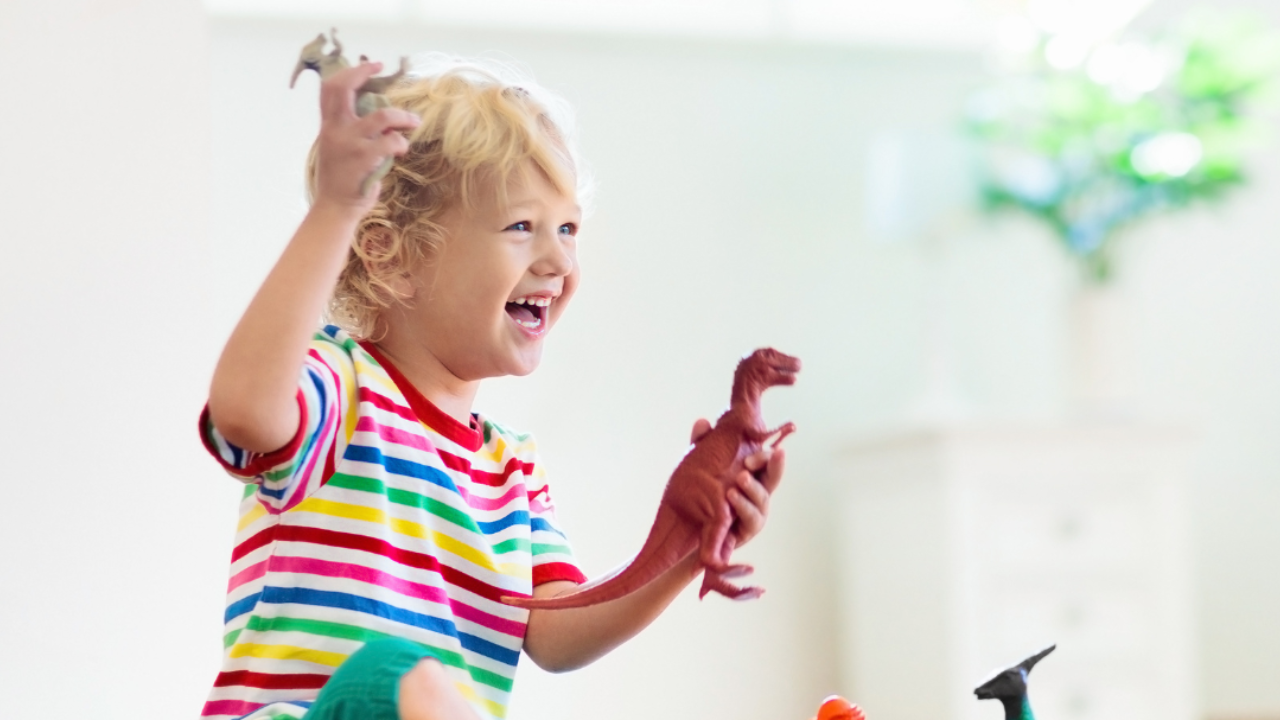
Your toddler just threw their plate across the kitchen. Again. And not just a small toss, a full arm swing, food everywhere. You freeze for a second and then it hits you: you just cleaned this up ten minutes ago. Yesterday it was toys. This morning it was their cup, full, right onto the floor.
And now you're standing there thinking, why do they keep doing this? Are they trying to make me mad? Why isn't anything working? Because that's the part no one really prepares you for. Not just the behavior, but the feeling that you're doing everything you're supposed to be doing and nothing is making a difference. You've told them to stop. You've taken things away. You've tried to stay calm. You've tried consequences. And somehow you're still right back here.
If that's where you are, there's a reason this keeps happening, and it's probably not the reason you think. Here's what I want you to consider: if your child keeps doing something after you've clearly told them not to, it's usually not because they didn't hear you. It's because the behavior is meeting a need you're not seeing yet. Once you see what's underneath it, your response becomes much clearer, and that's when things start to shift.
Let's start by looking at the development behind throwing.
Why Toddlers Throw Things
Most parents approach throwing like it's something that needs to be shut down immediately. So you say stop throwing, you take the object away, maybe you move them out of the situation. But when you respond to the behavior without understanding what's driving it, you end up in a loop. They throw, you respond, they throw again. There are three real reasons toddlers throw, and the first two are all about development.
Cause and effect: they're learning how the world works. Think about the highchair moment. Your toddler drops the cup, you pick it up, they drop it again, and now they're watching you closely. This is not defiance. This is learning. They are testing: What happens when I do this? Does it always fall? Does Mom always respond? I had a parent who felt like she was being played because her son would drop his spoon over and over. Once she understood this as learning, she stopped engaging in that exact pattern and redirected it, and the behavior shifted quickly.
Emotional release: their big feelings come out through their body. Now picture a different moment. You say it's time to clean up, or you take something away, and your child immediately grabs whatever is closest and throws it, sometimes toward you. This is where it feels personal. But if you slow it down, their body is overwhelmed. Their face changes, their muscles tighten, and the behavior comes fast. They don't have the ability yet to say "I'm frustrated" or "I didn't want that to end," so their body expresses it.
Sensory input: the reason most parents miss. Your child throws a toy, runs after it, picks it up, and throws it again. They're not upset. They're not looking at you. They're locked into the movement. What's happening here is that their body is asking for input. When they throw something hard, their muscles and joints send feedback to their brain that helps them feel organized and grounded. It's the same reason you see toddlers crashing into the couch, pushing chairs across the room, or jumping off things that make you nervous. I had a parent tell me her son would throw his shoes across the room over and over, not angry, just focused. When we added more heavy work into his day, that behavior dropped off quickly. Not because we stopped it, but because his body didn't need it the same way anymore.
Your Child's Sensory Wiring and Your Own
It's equally important to understand our children's unique wiring (how they experience the world), because it can help us identify the best way to teach them.
Temperament plays a part. Some children are naturally more active and intense. They feel everything in a big way, so their frustration and their need for movement both come out bigger, and faster.
Your nervous system, too. Throwing, especially when it's aimed at you, can feel like a direct challenge, and that can set off your own alarm. Our kids rely on our calm to find theirs, so remembering that the throw is meeting a need (not a personal attack) helps you respond instead of react.
So let's talk about what you can do.
Strategies: What to Do When Your Toddler Throws Everything
Here are some simple strategies you can incorporate into your daily routines to meet the need behind the throwing:
- Get ahead of sensory needs with heavy work. If your child is throwing for sensory input, the goal is not to stop the throwing. It's to meet the need before it shows up. I worked with a family where throwing happened every day around 4 pm. Instead of waiting for it, we built in heavy work when they got home: carrying groceries, pushing the laundry basket, pulling a wagon loaded with books, crashing into couch cushions. Within days, the throwing during that window decreased because the child's body was getting what it needed earlier.
- Give a safe outlet for emotional throwing. When your child is overwhelmed, their body needs a release. So instead of "stop throwing," step in and guide it: "Blocks are for stacking. You may throw this." And hand them something appropriate. One parent who used sock bean bags said it felt strange at first, like she was allowing the behavior. But her child would throw the bean bag a few times and then stop, where before she would throw whatever was in her hand and escalate.
- Redirect learning instead of shutting it down. If your child is throwing to learn, you don't need to stop the curiosity. You need to guide it. "You want to throw? Let's go outside and throw balls." "You want to drop things? Let's drop these into a bucket." If it's truly about cause and effect, they will switch easily because the need is still being met. If they don't, that tells you something else is driving it.
- Say what you want, not what you don't want. Most of us default to "don't throw that," but that leaves your child with nothing to do instead. When you say "blocks are for stacking, you may throw this," you're giving them a clear direction. One parent told me this felt awkward at first, but within a week her child started pausing and looking for what he could do instead.
- Catch it early. The best time to deal with throwing is before it happens. Start watching for patterns. Is it happening when they're tired, hungry, or after being inside too long? Once you see it, you can step in earlier with a snack, a break, movement, or connection.
Here's what this looks like in real life. Your toddler is playing with blocks and you notice they're starting to get rough with them. Instead of waiting for the big throw, you step in early and say, "Blocks are for stacking. You may throw this," and hand them something appropriate. They throw it hard a few times and then they stop, because their body got what it needed. That's the shift. Not perfection, not zero throwing, but a different way of meeting the need.
If you'd like some practical tools to make this easier, here are a few I recommend: weighted balls for throwing, rolling and carrying; an indoor trampoline for jumping and sensory input; a pull toy or wagon you can load with books or toys for heavy work; a crash pad or large cushions for safe crashing and calming; and ready-made bean bags if you don't want to make your own.
Some of these are affiliate links. As an Amazon Associate, I earn from qualifying purchases at no extra cost to you.
If you're feeling overwhelmed, the hardest part isn't knowing what to do. It's staying calm enough to do it in the moment. For more calm, practical support with moments like this, be sure to sign up for my free weekly newsletter.
The Bottom Line
Toddlers throw for three main reasons: they're learning cause and effect, they're releasing big emotions they don't have words for yet, or their body is looking for sensory input. When you figure out which need is behind the throw, you can meet it with heavy work, a safe throwing outlet, redirection, clear "you may" language and early prevention. Your toddler isn't throwing to make your life harder; they're trying to solve a problem with the only tools they have right now. With consistency, you'll start to see it in the pause before they throw and in how they begin to use what you've shown them.
Quick Answers
Why does my toddler throw everything? Toddlers usually throw to learn cause and effect, to release big emotions, or to get sensory input their body is craving. It's rarely about defiance.
Should I stop my toddler from throwing? Instead of only stopping it, redirect it. Offer something safe to throw, like a bean bag or ball, and tell them what they may do instead.
Why does my toddler throw food? Often it's cause-and-effect learning or a sign they're done eating. Calmly end the meal or redirect, and avoid reacting in a big way each time.
Want help staying calm when the throwing turns into a full meltdown? Grab my free Tantrum Tamer Guide.
All my best,
Jill
Jill Urbane, LCSW, is an early childhood interventionist with nearly three decades of experience working in the homes of families with young children.
Hey!


